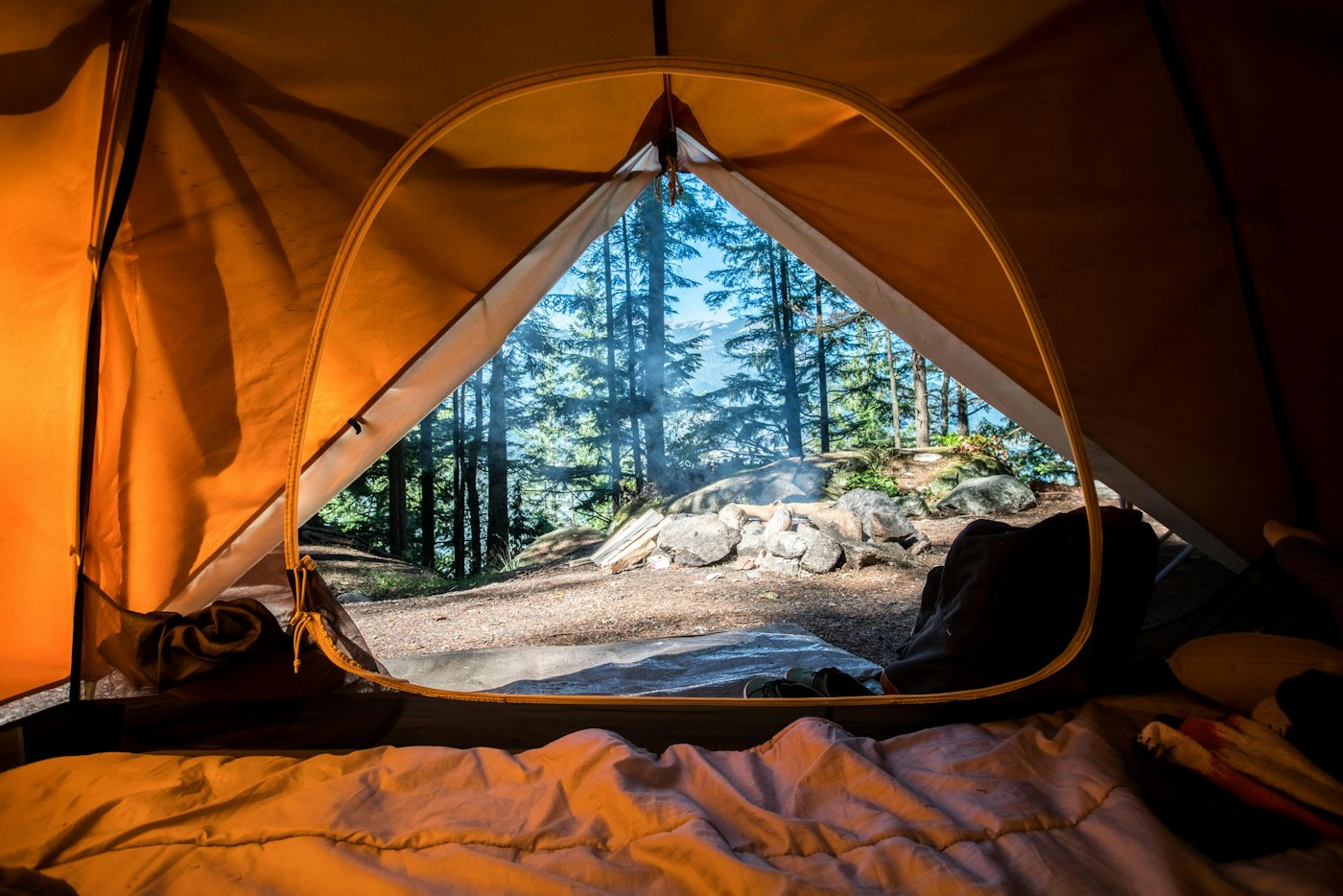
There is a particular magic in stepping off the trail and into the embrace of a mature forest. Not hiking, exactly. Not reaching a destination. More like being swallowed — gently, slowly — by something older and quieter than yourself.
I think about this a lot in cities. How the trees here are polite, manageable, placed in neat squares of dirt. How even the wind feels rehearsed, channeled between buildings, stripped of its wildness. The forest is different. The forest does not perform calmness. It simply is calm, down to its root tips.
The Walk In
My approach is always the same: slow. Not purposeful slow, not fitness slow. Just... no hurry. Each step is an arrival, not a crossing. The trail accepts this. It doesn't judge your pace. It only asks that you notice.
On this particular trip, I took the long way. Added two miles unnecessarily. Crossed the creek three times because I liked the sound of water over rocks. Stopped to photograph a mushroom that was probably not that interesting but felt like a small decision worth honoring.
The forest doesn't need your time or your money or your expertise. It only asks that you show up, breathe deep, and remember — for a little while — who you were before the world started making demands.
This is the thing about deep woods immersion: it resists the logic of efficiency. It is not productive. It does not generate content. It cannot be optimized. And that, precisely, is why it matters.
Making Camp
I found a clearing I liked. Flat enough. Near water. Not visible from the trail — which mattered to me, though I couldn't have explained why. Some instinct about being truly absent from the world, even briefly.
The tent went up in twelve minutes. I know because I wasn't timing, but I was aware of time in a way that felt different. Not clock-time. Not deadline-time. More like... tide-time. The slow measured rhythm of something that doesn't need to be anywhere else.
With camp made, I sat without doing anything for forty minutes. This is harder than it sounds. The urge to be productive, to set goals, to justify the trip with achievements — it arose and I gently set it aside. The forest didn't need me to do anything. Neither did I.
The Night
Darkness in the forest is not the absence of light. It is a presence. It has texture, weight, sound. The canopy closes overhead like a ceiling, and suddenly you're inside something vast and unhurried.
I made a small fire. Not for warmth — the night was mild. For company. Fire is a language we share with every human who has ever lived, and sometimes I think that's reason enough to build one.
Dinner was soup from a packet and crackers. Not romantic, not photogenic. But eaten slowly, outdoors, under stars I'd forgotten existed. The simple pleasures of being fed while the world does its night things around you.
The Morning After
I woke once in the night, briefly. Heard an animal moving through the undergrowth, close but not threatening. Felt the temperature drop. Pulled the sleeping bag higher. Then slept again, deeply, the kind of sleep the city rarely offers.
By dawn I was up. Not early by any clock, but early by the light — the slow grey brightening that森林 gives you when you sleep without curtains. Made coffee on the camp stove. Drank it standing up, watching the clearing wake up.
This is the ritual I always come back for. Not the adventure, exactly. Not the escape. This: the slow morning emergence, the coffee, the quiet, the sense of being a small creature in a large and indifferent world that still, somehow, feels welcoming.
The Walk Out
Breaking camp took twenty minutes. I am slower now at this than I used to be — not from age, but from care. I want to leave no trace. I want the clearing to look like no one slept there. I want the forest to remain untroubled by my presence.
The walk out felt shorter than the walk in, but not by much. The body knows shortcuts the mind doesn't. It carried the pack easily, as though it had remembered how to do this and was quietly pleased about it.
Back at the car, I sat for a moment before opening the door. Looking back at the trees. Saying thank you in whatever language the trees understand.
Then I turned on my phone. The world flooded back — emails, notifications, the familiar weight of everywhere-to-be. But underneath it, quiet and persistent, the forest remained. A kind of residue. A slow exhale you carry with you.
Next time you feel the walls closing in, consider: the trail is always there. The trees don't require anything from you. They only ask that you show up, breathe deep, and remember — for a little while — who you were before the world started making demands.